



September 2024
SkIN Canada Skin Investigation Network of Canada
E-Bullettin
Funded by
Institute of Musculoskeletal Health and Arthritis
SkIN Canada News
Team Development Awards
1. Objective
This funding opportunity aims to support preliminary activities for developing novel teams and the infrastructure necessary to conduct future multicentre research for the benefit of patients living with skin conditions.
2. Description
The Skin Investigation Network of Canada (SkIN Canada) is offering a funding opportunity to facilitate collaborative research that benefits people living with skin conditions. Funded by the Canadian Institutes of Health Research (CIHR) – Institute of Musculoskeletal Health and Arthritis, SkIN Canada has three main goals: a) develop national infrastructure to advance multicentre skin research; b) foster new collaborations between patients, researchers, and clinicians at academic and community sites; and c) grow the skin research community. We recognize the value of open science and patient engagement to achieve these goals, and have ensured that the patient voice is integrated throughout all our activities.
In accordance with the network’s mission, SkIN Canada will be funding a series of awards to catalyze novel multicentre skin research. These grants are intended to support preliminary activities that are typically not fundable as stand-alone projects. For example, operating grants usually require preliminary work and validated infrastructure to demonstrate feasibility and potential for success.
Deadline: October 15, 2024
SkIN Canada Member Awarded CIHR Project Grant
Congratulations to Brett Thombs (PhD) on receiving a 2024 CIHR Project Grant!
Title: Enhancing Patient Engagement in Scleroderma Research: A Series of Cohort-Based Randomized Controlled Trials of Tools to Improve Communication of Research Results.
Lay Abstract:
What will the research be about?
Sharing research results with patients is required by ethical regulations. Yet, most researchers do not share results from their studies with patients. Evidence on what kinds of research communication tools work best for different people is limited. Few studies have compared how effectively different tools (e.g., plain-language summaries, infographics, comics, podcasts) communicate research results to patients. We plan to conduct a series of trials in a large international cohort of people with scleroderma, a rare, autoimmune disease, to address this knowledge gap.
What will be our outcomes?
Study participants will rate communication tools for (1) information completeness; (2) understandability; and (3) ease of use of format. We will also seek suggestions from participants on how to improve tools.
Who will be in the study? People with scleroderma, confirmed by a physician, aged 18 years or older, will be recruited from an ongoing international cohort, the Scleroderma Patient centered Intervention Network Cohort.
What will the research team do? We will conduct a series of 8 trials. In each trial, participants will be randomly assigned to receive different communication tools that share results from a recently published scleroderma research study. Each trial will build upon what is learnt from previous trials. We will conduct analyses among specific groups to assess effectiveness according to patient characteristics (e.g., age, race or ethnicity, country, education).
How will people use the results?
Our results will inform other researchers who will be able to conduct similar studies in other populations. Our results will also be used by researchers and patient organizations who
disseminate research results so that they can tailor the way they disseminate results to patient needs. Patients will be the end users of the knowledge we produce if we can improve how we communicate results to patients.
Complete Summary of Research Proposal:
Background: Research ethics guidance mandates that study results be shared with participants, and CIHR’s Knowledge Translation Strategy emphasizes dissemination to others with relevant lived experiences. Yet, most researchers do not share results with patients, and we do not know which dissemination tools (e.g., lay summaries, infographics, podcasts) or tool features best facilitate effective communication. Only 3 randomized controlled trials (RCTs) have compared tool effectiveness, and none assessed which tools work best for which patients. Comparative effectiveness trials are needed to build an evidence base to help us understand what tools are most effective for communicating different types of research to different patients. We will use the multinational Scleroderma Patient-centered Intervention Network (SPIN) Cohort to conduct a series of RCTs to compare tools among people with systemic sclerosis (SSc), or scleroderma.
Objectives: An effective tool must communicate information patients want to know, understandably, in an easy-to-use format. Our trials will evaluate which dissemination tools most effectively do this and if different tools and tool features are more effective for different types of studies and patients with different sociodemographic or educational characteristics. Primary Objectives: In each trial, we will compare tools based on (1) information completeness; (2) understandability; and (3) ease of use, as prioritized by our Patient Advisory Team. Secondary Objectives: We will evaluate comprehension of key aspects of disseminated research; likelihood that participants would enroll in a similar future study; and, for all primary and secondary outcomes, analyze effects by participant characteristics (e.g., age, country, language, education level, eHealth literacy). Methods: We will conduct a series of 8 pragmatic, parallel-group RCTs that will each compare 2 or more tools or tool variations to a plain-language summary comparator; the common comparator will facilitate across-RCT comparisons. In each trial, SPIN patients and researchers will select SSc research to disseminate. A committee (5 patients, 4 researchers) will select tools to test. Tools will be developed by experienced tool developers, patients, and researchers. SPIN Cohort participants (N = 1,250 and growing) will be randomized to a dissemination tool and complete study outcomes. Analyses will be intent-to-treat and use proportional odds regression models. Feasibility: We have an experienced international team with joint researcher-patient leadership; experts in patient education, knowledge mobilization, SSc, and trial methods; researcher disseminators; and patient organization partners. We have a successful record of conducting RCTs in the SPIN Cohort. Cohort participants are already enrolled and have consented to be included in trials, so no additional recruitment is needed. Knowledge Mobilization: SPIN is a true patient-researcher partnership. Patients are involved in SPIN leadership and project-specific Patient Advisory Teams. A diverse Patient Advisory Team participated in developing this proposal and will contribute to study conduct and dissemination of results. Results will support improved research communication in SSc and similar diseases, directly, and will inform other populations indirectly. Our research will also support other researchers to conduct similar trials in other populations and further contribute to an evidence base.
Featured Profiles – Team Development Award Recipients

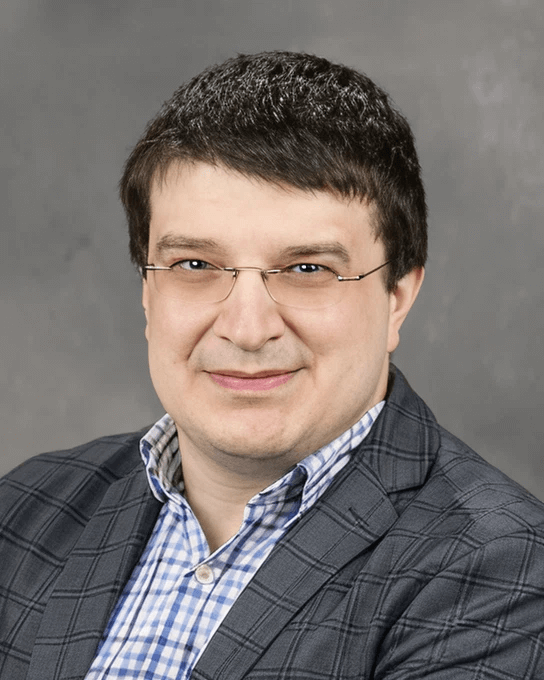
Dr. Caitlin Champion (2023 Recipient)
Can SkIN Canada help?
Request support for your study
SkIN Canada has launched a formal study intake process for investigators requesting support from the Network. Please visit our RESOURCES page for more information on how we can help with funding, patient engagement, database creation, project administration, ethics application, or statistical support.
From the Training Committee Hub
Skin Canada Travel and Mobility Awards – Application Deadline October 15, 2024
1. Travel Award: The deadline for the next SkIN Canada Trainee Travel Award is Tuesday October 15 (2024) before 11:59 PM ET. SkIN Canada provides partial funding for trainees to attend conferences as part of their training experience. A limited number of awards are available each year on a competitive basis. There are two competition periods per year, one in May and one in October. Applicants who have previously received funding through this program in a fiscal year are not eligible to receive funding until the following fiscal year. The value of the SkIN Canada Travel Award is a maximum of $1,000 CAD.
2. Mobility Award: The deadline for the next SkIN Canada Trainee Mobility Award is Tuesday October 15 (2024) before 11:59 PM ET. The SkIN Canada Trainee Mobility Award provides funding for trainees in the field of skin research to study and conduct research for a brief period in a laboratory other than their own within Canada or abroad as part of their training experience. A limited number of awards are available each year on a competitive basis. There will be two competition periods per year, one in May and one in October. Applicants are eligible for the award only once during a particular training period or level of study (e.g. MSc, PhD, Clinical residency, or Postdoctoral training).
The value of the Skin Canada Trainee Mobility Award is up to $4,000 which can be used for the trainee’s research in a laboratory other than their own, within Canada or abroad for a period ranging from 2 weeks to 6 months.
Skin Canada Training Committee Opening
The Training Committee represents skin research trainees from across Canada. The Committee considers representations from across Canada to be valuable. The committee currently has an opening for a PhD student or a post-doctoral fellow from any of the Western Provinces. If interested in joining this dynamic committee, please send your expression of interest and CV to info@skincanada.org.
SkIN Canada Trainee Webinar – October 10th

News from Other Organizations
Scientific Director of the Canadian Institutes of Health Research – Institute of Musculoskeletal Health and Arthritis
The Canadian Institutes of Health Research (CIHR) is seeking a Scientific Director for the Institute of Musculoskeletal Health and Arthritis (CIHR-IMHA), one of CIHR’s 13 health research Institutes.
Scientific Directors (SDs) of CIHR Institutes are leaders in their respective fields who champion and support health research, knowledge mobilization, and capacity development at the highest level of scientific excellence. As key representatives of CIHR, they provide scientific leadership and advice, shaping CIHR’s health research priorities and investment strategies with the goal of improving the health of people in Canada and around the world. This role provides an unparalleled opportunity to mentor and train the next generation of health researchers, advocate for researchers, people with lived experience and other partner communities and give back to the health research ecosystem.

Scientific Director of the Canadian Institutes of Health Research – Institute of Musculoskeletal Health and Arthritis
The Network for Canadian Oral Health Research (NCOHR) is seeking Expressions of Interest from individuals interested in serving as Chair or co-Chair of our Indigenous Peoples’ Health working group. Dr. Trish Goulet has resigned as chair for personal reasons.
NCOHR offers resources to encourage oral health researchers across Canada to collaborate and communicate with one another, and with our clinical colleagues. We envision that innovative and collaborative oral health research partnerships will make a difference in the health of Canadians.
The mandate of all working groups of NCOHR are to:
- Support the strategic goals and priorities of the Network.
- Share information with its members and their respective oral health researchers.
- Be involved in periodic presentations, seminars and other events that demonstrate excellence in mentorship and education in the field of oral health research.
- Provide guidance and advice on emerging issues for key stakeholders/funding partners (including CIHR-IMHA)
The role/responsibilities of the Chair are:
- To provide key leadership within the network and organize the activities of a working group.
- To organize/lead virtual meetings of working group members.
- To interface with other working groups and participate in meetings with other chairs.
- To create awareness of the working group within the oral health research community.
The WG meets virtually a minimum of three times a year.
Working group members will not be compensated; however, travel and accommodation expenses will be reimbursed in accordance with CIHR travel policy reimbursement guidelines. Additionally, NCOHR will fund events that promote knowledge mobilization, such as webinars, workshops, forums, student exchanges, and open access publications, up to $5,000 annually.
Candidates are required to demonstrate their understanding of the importance of Indigenous-led oral health research and ability to work collaboratively in and with the working group. Applicants are asked to submit an Expression of Interest letter (that includes a statement of the applicant’s relevant experience, expertise, and previous participation in NCOHR activities, vision for the working group and potential strategies to enable moving towards that vision), and a recent Curriculum Vitae. Priority will be given to applicants who have lived experience of Indigenous (First Nations, Metis, and Inuit) cultures, values and worldviews.
Applications are to be sent to ncohr@dal.ca by Friday October 4, 2024. Applications will be reviewed as received.
Recent Publications on Skin Research
Inflammatory Skin Conditions
1. Arora P, Brumley C, Arrington K, Hylwa S. Allergic Contact Dermatitis in Skin of Color: A Retrospective Study from a Comprehensive Patch Testing Center. Dermatitis. Sep 23 2024.https://www.ncbi.nlm.nih.gov/pubmed/39308405
2. Kearns-Turcotte S, McCuaig C, Powell J, Piram M, Marcoux D, Hatami A, Coulombe J. Pediatric BASCULE syndrome in 42 patients: a peek into dysautonomia. J Am Acad Dermatol. Sep 21 2024.https://www.ncbi.nlm.nih.gov/pubmed/39313031
3. Caucheteux SM, Piguet V. Hidradenitis Suppurativa Tunnels Invasive Transcriptional Signature. The Journal of investigative dermatology. Sep 24 2024.https://www.ncbi.nlm.nih.gov/pubmed/39320303
4. Savinova I, Gooderham M, O’Toole A, Cy A, Bawazir M, Abu-Hilal M. Clinical Characteristics and Treatment Patterns of Pityriasis Rubra Pilaris: A Canadian Retrospective Study. J Cutan Med Surg. Sep 25 2024:12034754241287553.https://www.ncbi.nlm.nih.gov/pubmed/39323064
5. Chu AWL, Rayner DG, Chu X, Chen L, Dong AYH, Waserman S, Baker DR, Sheikh J, Moellman J, Lang DM, Ben-Shoshan M, Mathur SK, Beck LA, Khan DA, Oliver ET, Asiniwasis RN, Chan J, Cole EF, Trayes KP, Frazier WT, Runyon L, Wheeler KE, Eftekhari S, Gardner DD, Winders T, Bernstein JA, Saini SS, Chu DK. Topical corticosteroids for hives and itch (urticaria): Systematic review and Bayesian meta-analysis of randomized trials. Ann Allergy Asthma Immunol. Oct 2024;133(4):437-444 e418.https://www.ncbi.nlm.nih.gov/pubmed/38901542
Recent Publications on Skin Research
Inflammatory Skin Conditions
1.
Hundal S, Cappelli J, Croitoru D. Hundal S, Cappelli J, Croitoru D, et al. Cost-Utility Analysis of Clinic-Based Deroofing versus Local Excision for Hidradenitis Suppurativa. J Am Acad Dermatol. Dec 8 2024;.
https://www.ncbi.nlm.nih.gov/pubmed/39657847
2.
Vallee S, Deneux V, Funaro D. Vallee S, Deneux V, Funaro D, et al. Long-term evolution of prepubertal-onset anogenital lichen sclerosus: A 35-year retrospective and cross-sectional study from a single tertiary care maternal and pediatric center. J Am Acad Dermatol. Dec 3 2024;.
https://www.ncbi.nlm.nih.gov/pubmed/39637982
3.
Eichenfield LF, Hebert AA, Harper JC. Eichenfield LF, Hebert AA, Harper JC, et al. Triple-Combination Clindamycin Phosphate 1.2%/Adapalene 0.15%/Benzoyl Peroxide 3.1% Gel for Moderate-to-Severe Acne in Children and Adolescents. J Drugs Dermatol. Dec 1 2024;23(12):1049-1057..
https://www.ncbi.nlm.nih.gov/pubmed/39630680
4.
Armstrong AW, Bissonnette R, Chovatiya R. Armstrong AW, Bissonnette R, Chovatiya R, et al. Treat-to-Target Outcomes With Tapinarof Cream 1% in Phase 3 Trials for Plaque Psoriasis. Cutis. Oct 2024;114(4):122-127..
https://www.ncbi.nlm.nih.gov/pubmed/39621574
5.
Choi UE, Deng J, Parthasarathy V. Choi UE, Deng J, Parthasarathy V, et al. Risk factors and temporal associations of progression of the atopic march in children with early-onset atopic dermatitis. J Am Acad Dermatol. Nov 28 2024;.
https://www.ncbi.nlm.nih.gov/pubmed/39615548
Wound Healing, Fibrosis and Regeneration
1.
Bian X, Piipponen M, Liu Z. Bian X, Piipponen M, Liu Z, et al. Epigenetic memory of radiotherapy in dermal fibroblasts impairs wound repair capacity in cancer survivors. Nature communications. Oct 28 2024;15(1):9286..
https://www.ncbi.nlm.nih.gov/pubmed/39468077
2.
Arif S, Larochelle S, Trudel B. Arif S, Larochelle S, Trudel B, et al. The diffusion of normal skin wound myofibroblast-derived microvesicles differs according to matrix composition. J Extracell Biol. Jan 2024;3(1):e131..
https://www.ncbi.nlm.nih.gov/pubmed/38938680
3.
Arif S, Larochelle S, Trudel B. Arif S, Larochelle S, Trudel B, et al. The diffusion of normal skin wound myofibroblast-derived microvesicles differs according to matrix composition. J Extracell Biol. Jan 2024;3(1):e131..
https://www.ncbi.nlm.nih.gov/pubmed/38938680
4.
Arif S, Richer M, Larochelle S, Moulin VJ. Arif S, Richer M, Larochelle S, Moulin VJ. Microvesicles derived from dermal myofibroblasts modify the integrity of the blood and lymphatic barriers using distinct endocytosis pathways. J Extracell Biol. May 2024;3(5):e151..
https://www.ncbi.nlm.nih.gov/pubmed/38939570
5.
Rijal H, Bouadi N, Piguet V, Mukovozov I. Rijal H, Bouadi N, Piguet V, Mukovozov I. Treatment Outcomes of Scleroderma With Janus Kinase Inhibitors: A Systematic Review. J Cutan Med Surg. Jun 10 2024:12034754241260021..
https://www.ncbi.nlm.nih.gov/pubmed/38859662
Skin Cancer
1.
Guerra Ordaz DJ, Whitelaw S, Kaouache M. Guerra Ordaz DJ, Whitelaw S, Kaouache M, et al. Evaluating the Implementation and Impact of BRAF Reflex Mutation Testing in Melanoma, Lung, and Colorectal Cancers. J Cutan Med Surg. Dec 4 2024:12034754241302821..
https://www.ncbi.nlm.nih.gov/pubmed/39629857
2.
Koulmi K, Cattelan L, Litvinov IV. Koulmi K, Cattelan L, Litvinov IV. Evaluating Difluoromethylornithine Safety and Efficacy for Non-Melanoma Skin Cancer Chemoprevention: A Systematic Review. J Cutan Med Surg. Nov 30 2024:12034754241302818..
https://www.ncbi.nlm.nih.gov/pubmed/39614759
3.
Huang Y, Fleming P, Fung K, Chan AW. Huang Y, Fleming P, Fung K, Chan AW. Response to Tang et al., “Insufficient evidence for association between dermatology follow-up and melanoma survival”. J Am Acad Dermatol. Nov 21 2024;.
https://www.ncbi.nlm.nih.gov/pubmed/39579995
4.
Ma B, James MT, Chan AW, Mydlarski PR. Ma B, James MT, Chan AW, Mydlarski PR. National Trends in Healthcare Expenditures for the Management of Skin Cancer in the United States. J Cutan Med Surg. Nov 16 2024:12034754241293131..
https://www.ncbi.nlm.nih.gov/pubmed/39548853
5.
Karponis D, Joshy J, Stratigos IA. Karponis D, Joshy J, Stratigos IA, et al. Cutaneous melanoma in situ: a review. Clin Exp Dermatol. Oct 25 2024;.
https://www.ncbi.nlm.nih.gov/pubmed/39449583
Skin of Colour
1.
Moy AP, Zhou D, Chen J, White C, Riedel ER, Pulitzer MP. Moy AP, Zhou D, Chen J, White C, Riedel ER, Pulitzer MP. Merkel Cell Carcinoma among non-Caucasian patients: a retrospective case-control study. J Am Acad Dermatol. Apr 23 2024;.
https://www.ncbi.nlm.nih.gov/pubmed/38663746
2.
Cedirian S, Starace M, Natale A. Cedirian S, Starace M, Natale A, et al. Celebrating Diversity: Unveiling the Characteristics of Nail Psoriasis and Nail Lichen Planus in 30 Patients With Skin of Color. Dermatol Pract Concept. Oct 30 2024;14(4).
https://www.ncbi.nlm.nih.gov/pubmed/39652925
3.
Greene A, Ghalambor T, Penner S, Irwin C, Hastings KT. Greene A, Ghalambor T, Penner S, Irwin C, Hastings KT. Evaluation of dermatologic diagnostic ability on skin of colour in preclinical medical students. Skin Health Dis. Dec 2024;4(6):e425..
https://www.ncbi.nlm.nih.gov/pubmed/39624754
4.
Elhassan H. Elhassan H. Considerations for Physicians Treating Skin of Color: A Narrative Review. Cureus. Nov 2024;16(11):e74443..
https://www.ncbi.nlm.nih.gov/pubmed/39606129
5.
Lee M, Brown LS, Sontheimer R, Chong BF. Lee M, Brown LS, Sontheimer R, Chong BF. Distinctive clinical features are found in dermatomyositis patients with skin of color. Arch Dermatol Res. Nov 26 2024;317(1):48..
https://www.ncbi.nlm.nih.gov/pubmed/39589527
Other
1.
Hedtrich S, Calderon M. Hedtrich S, Calderon M. Next generation concepts in dermal delivery, theranostics, and preclinical testing. Adv Drug Deliv Rev. Nov 29 2024:115482..
https://www.ncbi.nlm.nih.gov/pubmed/39617255
2.
Coughlan K, Purvis T, Kilkenny MF. Coughlan K, Purvis T, Kilkenny MF, et al. From ‘strong recommendation’ to practice: A pre-test post-test study examining adherence to stroke guidelines for fever, hyperglycaemia, and swallowing (FeSS) management post-stroke. Int J Nurs Stud Adv. Dec 2024;7:100248..
https://www.ncbi.nlm.nih.gov/pubmed/39507681
3.
Gupta AK, Talukder M, Piguet V. Gupta AK, Talukder M, Piguet V. Mpox: A Rising Threat-2 Public Health Emergencies in 2 Years. The Journal of investigative dermatology. Oct 21 2024;.
https://www.ncbi.nlm.nih.gov/pubmed/39436346
4.
Dinesh NEH, Rousseau J, Mosher DF. Dinesh NEH, Rousseau J, Mosher DF, et al. Mutations in fibronectin dysregulate chondrogenesis in skeletal dysplasia. Cellular and molecular life sciences : CMLS. Oct 5 2024;81(1):419..
https://www.ncbi.nlm.nih.gov/pubmed/39367925
5.
Savard E, Magne B, Simard-Bisson C. Savard E, Magne B, Simard-Bisson C, et al. Design of an innovative method for measuring the contractile behaviour of engineered tissues. Tissue engineering Part C, Methods. Sep 23 2024;.
https://www.ncbi.nlm.nih.gov/pubmed/39311467
Contact Us | Visite skincanada.org
SkIN Canada Executive Committee


