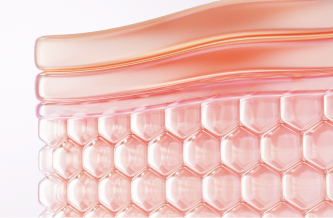



Recessive dystrophic epidermolysis bullosa (RDEB) is a disease affecting the skin and mucosa. RDEB patients have fragile skin due to collagen 7 mutation. There is no cure for EB. The only option is to treat recurrent wounds with daily care and bandages. Patients experience pain and suffering.The LOEX/CHU de Québec-Université Laval, a leader in regenerative medicine aimsto find a treatment for RDEB. The therapy would be based on skin substitutes produced with patient’s cells corrected by gene therapy. The objective of the proposal is to bring together clinicians, researchers and patient partners from Québec, Ontario and British Columbia. This group will work together to prepare a multicenter clinical trial to apply laboratory discoveries to patients. The patient partners will participate to the study design (for example, cost, patient information and consent form). In addition, we aim to give information on EB research to the Canadian patient community. Ultimately, our goal is to develop a definitive treatment for RDEB with our new therapeutic approach. This rare disease impacts on the quality of life of patients and their families. Therefore, this new treatment, if proven successful, could change lives of Canadian patients by improving skin stability and preventing recurring wounds.
project details
A multicenter collaborative skin research group focusing on novel treatment for epidermolysis bullosa
Université Laval
3 Sites
ON, QC
Dr. Lucie Germain
Position: Member
view our other projects
Building trial capacity in systemic sclerosis: setting the stage for cohort-embedded pragmatic clinical trials
Université de Montréal
8 Sites
ON, QC, AB, BC, MB
Can‑PG: A Canadian Network for Pyoderma Gangrenosum Patients and Outcomes
Women’s College Hospital - University of Toronto
6 Sites
ON, QC, AB, BC, NL
Optimization of a mouse xenograph platform to study BCC progression
Centre de recherche du CHU de Québec – Université Laval
2 Sites
QC
Immune-Mediated Pathways of Aberrant Scarring: Establishing a Canadian Collaborative Platformfor Translational Skin Research to Develop an Atlas of Skin Fibrosis
University of Calgary
3 Sites
AB, QC
Chemoprevention of cutaneous squamous cell carcinoma using topical 5-fluorouracil based therapies in solid organ transplant recipients: multicentre, pragmatic, parallel three group randomized trial
Women’s College Hospital
East-West national Indigenous atopic dermatitis community and research collaborative core seed working group
First Nations University of Canada
4 Sites
SK, QC, MB
Surgical management of hidradenitis suppurativa with deroofing vs wide local excision: a multi-centre retrospective cohort study
University of Toronto, Women’s College Hospital
4 Sites
ON, QC, BC, AL
Canadian Frostbite Collaborative Network Symposium and Research Planning
NOSM University
2 Sites
YK, MB
The Development of a Psychodermatology Risk Assessment Tool: Improving Care for Patients with Atopic Dermatitis and Other Psychodermatologic Conditions
The University of Alberta, Kaye Edmonton Clinic
2 Sites
AL, QC
Development of multicentre Burn Platform adaptive Trials team
The University of Manitoba
8 Sites
WPG, QC, ON, BC, AL
Development of a multi-center research team to explore the potential of anti-mesothelin 1 gene therapies for fibrotic scleroderma
The University of British Columbia
3 Sites
BC, AL, QC
A New Patient-Researcher Partnership for Research on Itch inSystemic Sclerosis
Lady Davis Institute for Medical Research
6 Sites
ON, QC
Hidradenitis Suppurativa in Diverse Patient Populations: Multicenter Pilot Project to Assess Disease Characteristics and Access to Biologic Therapy
Sunnybrook Research Institute
7 Sites
MB, QC, ON
Genodermatoses Network: A Canadian multidisciplinary collaboration for patients with genetic skin disorders
The Hospital for Sick Children +1
8 Sites
AB, QC, ON, BC